Eye Tracking
Eye tracking plays a vital role in how we interact with the world. It refers to the ability of the eyes to move accurately, smoothly, and efficiently while focusing on objects, reading text, or following movement. Good eye tracking is essential for many everyday tasks including reading, writing, sports, driving, and screen use.
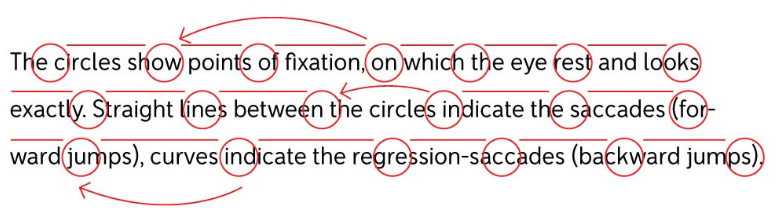
During reading, the eyes must move in precise jumps called saccades, stopping briefly (fixations) to process information. Poor eye tracking can cause words or lines to be skipped, repeated, or blurred, leading to reduced reading speed, poor comprehension, and fatigue. Children with eye tracking difficulties may struggle at school despite having normal eyesight.
Eye tracking is also important for hand-eye coordination and balance. In sports, accurate tracking allows athletes to quickly and efficiently follow moving balls or targets. In adults, reduced eye tracking ability can contribute to visual discomfort, reduced concentration, and difficulties with prolonged computer work.
Optometrists can assess eye tracking as part of a comprehensive eye examination. Treatment may include prescription lenses, visual hygiene advice, or vision therapy exercises designed to improve eye movement control. Early identification and management of eye tracking problems can significantly improve comfort, reading performance, and quality of life.